Breaking the Pain Cycle
Chronic pain has a cruel talent: it feeds itself. Six stages of the pain cycle — and why breaking the cycle anywhere weakens it everywhere.

Breaking the Pain Cycle
By H. Rand Scott, MD — Medical Director, Newport Pain Management Adapted from a patient lecture · Reviewed and updated August 2026
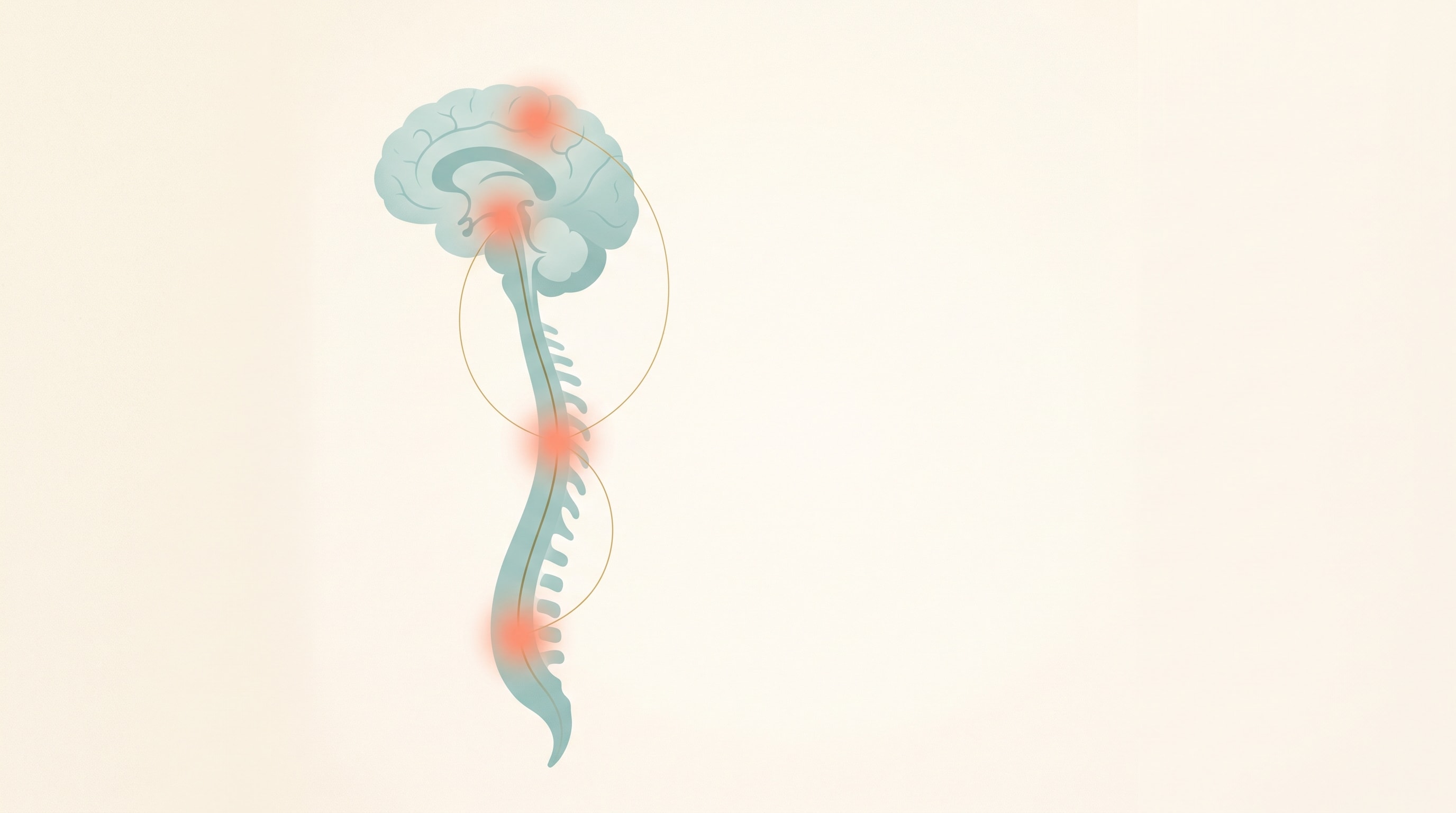
Chronic pain has a cruel talent: it feeds itself. An injury sets off a chain of body and behavior changes, and each change makes the pain worse — which drives the next change, which worsens the pain again. We call this the Pain Cycle, and understanding it is the first step to escaping it. It runs in six stages.

1. Nervous system changes. After an injury, the pain-sensing nervous system can rewire itself. Damaged nerves sprout new connections and the spinal cord becomes sensitized, so signals that shouldn't hurt begin to — a light touch, ordinary movement, even bedsheets. The alarm system itself is now part of the problem.

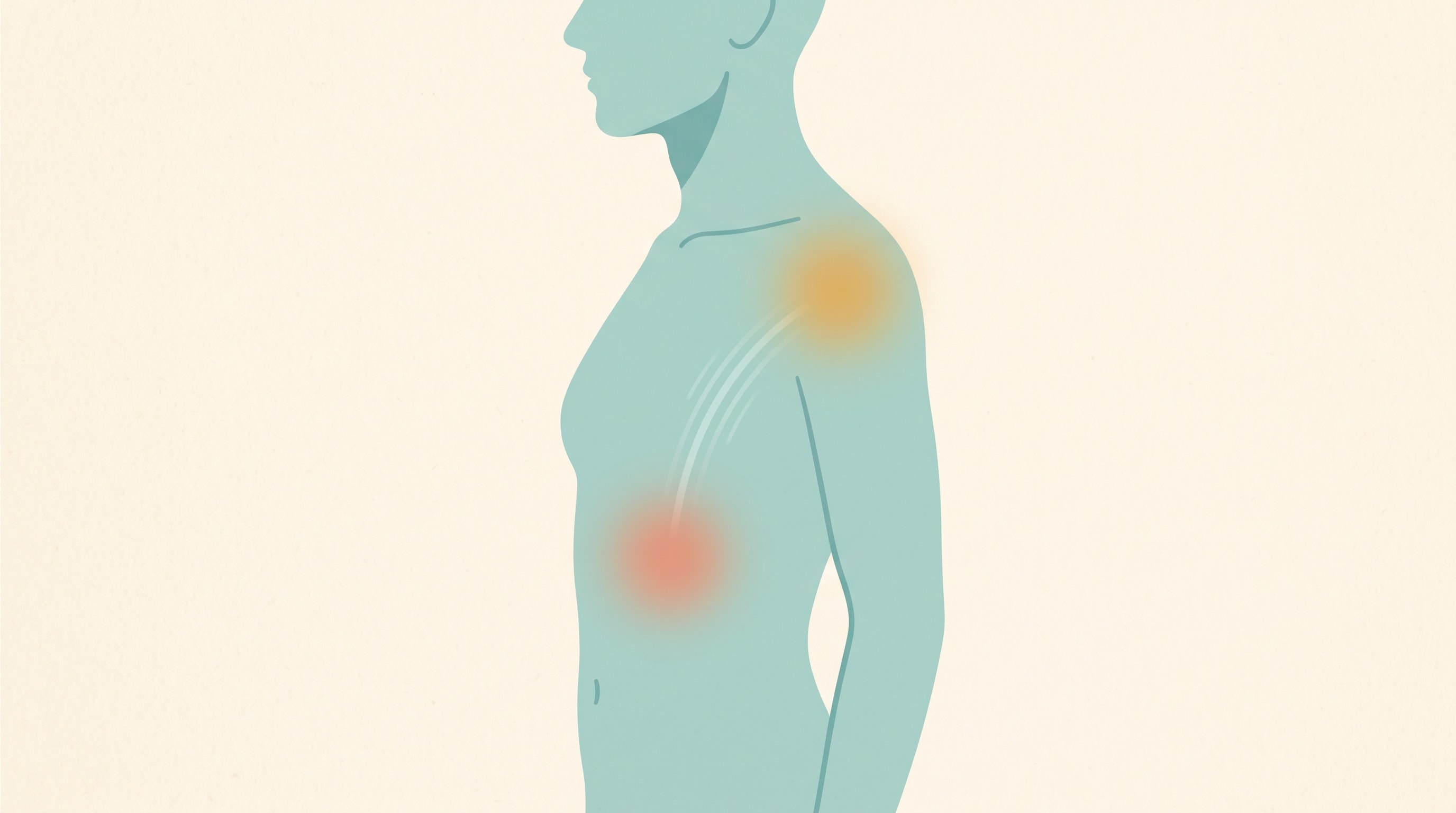
2. Tensed muscles. Pain triggers protective muscle tension. Chronically tight muscles develop tender knots, squeeze nearby nerves, and generate pain of their own in areas far from the original injury. Now it hurts in places that were never injured.

3. Mental stress. Living with pain keeps the body's "fight or flight" chemistry — adrenaline and norepinephrine — switched on around the clock. A stress response designed for emergencies, running continuously, leaves body and mind exhausted.

4. Depression. Exhaustion and unrelenting pain wear down mood, and depression changes brain chemistry — including serotonin, which is part of the body's own pain-dampening system. Depression doesn't just accompany pain; it turns the volume up. This is neurochemistry, not weakness.

5. Disturbed sleep. Pain fragments sleep, and poor sleep depletes the body's natural painkillers — endorphins — while lowering pain tolerance. Every bad night makes the next day's pain worse. Of all the links in the cycle, this is the one patients feel most.

6. Guarded posture. To avoid pain, you move differently — limping, bracing, favoring one side. Those odd positions strain other muscles and spread pain to new areas, while the muscles you're protecting weaken from disuse. The body becomes less capable and more painful at once — and the cycle rolls back to stage one, stronger.
Breaking the cycle
Here's the encouraging flip side: because every link feeds the others, breaking the cycle anywhere weakens it everywhere. That's why we attack it at several points at once.
Medications — chosen for the specific job: calming sensitized nerves (gabapentin, pregabalin, duloxetine), restoring sleep, easing muscle tension, and supporting mood. Each medication targets a link in the cycle, which is why the right combination outperforms any single drug.
Interventional procedures — nerve blocks and targeted injections can quiet the pain generator directly, opening a window in which the rest of the cycle can be unwound.
Exercise and physical therapy — stretching, aqua therapy, and graded aerobic activity reverse the guarded-posture and weakened-muscle links. Done properly and progressively, movement is one of the most powerful cycle-breakers there is.
Mind and mood — biofeedback, relaxation training, cognitive behavioral therapy, and pain psychology directly interrupt the stress and depression links, and measurably lower pain. Treating the mind is treating the pain.
Sleep — we treat sleep as a vital sign. Restoring it is often the first domino that lets everything else improve.
The cycle took time to build, and it takes time to dismantle — but it can be dismantled. The experts at Newport Pain Management have been helping patients break the pain cycle since 1996. Call (949) 759-8400, and let's find your first link to break.
Related reading
- The Athletic Approach to Pain: What Elite Athletes Get That Every Patient Should — the diagnostic and rehab framework that applies to every patient
- Athletic Pain: Performing at Your Best When Your Body Hurts
- Sports Medicine & Athletic Pain Treatment
This article is for general education and is not a substitute for individual medical advice.
Medical disclaimer: This post is for general education and is not a substitute for individual medical advice. Always consult your physician about your specific condition and before making any changes to your medications.
Explore Topics
Written by
H. Rand Scott, MD
Medical Director of Newport Pain Management in Newport Beach since 1996. Board-certified anesthesiologist with subspecialty fellowship training in pain management. Former Penn State football player, 1982 national championship team. Sports medicine clinical training on the Penn State football medical staff. Twice named Orange County Medical Association Physician of Excellence.