Progressive Muscle Relaxation for Chronic Pain: A Practical Guide
Progressive muscle relaxation (PMR) is one of the most studied self-management tools for chronic pain. A pain specialist's practical guide — the sequence, what to expect, and how to make it a habit.
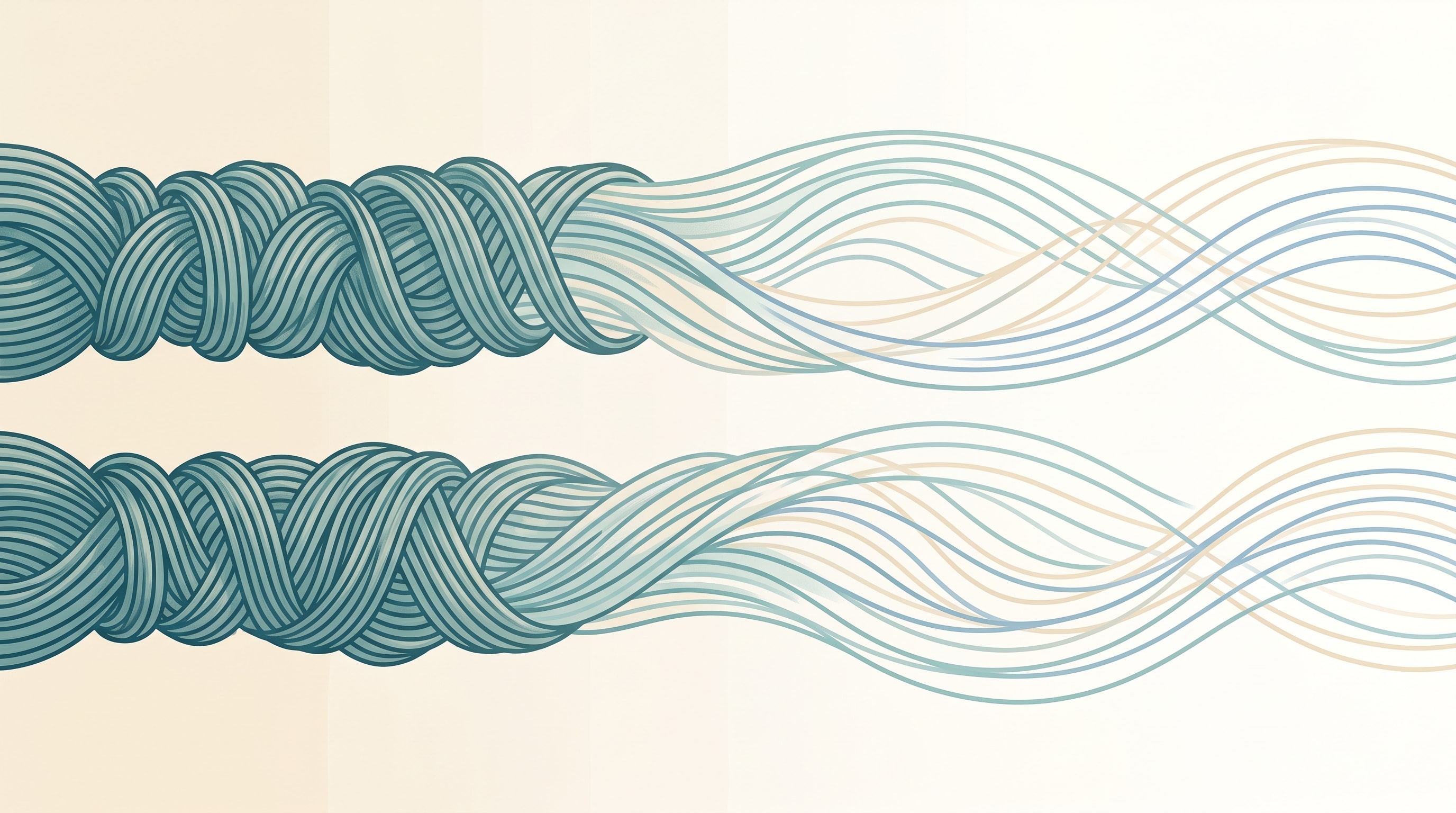
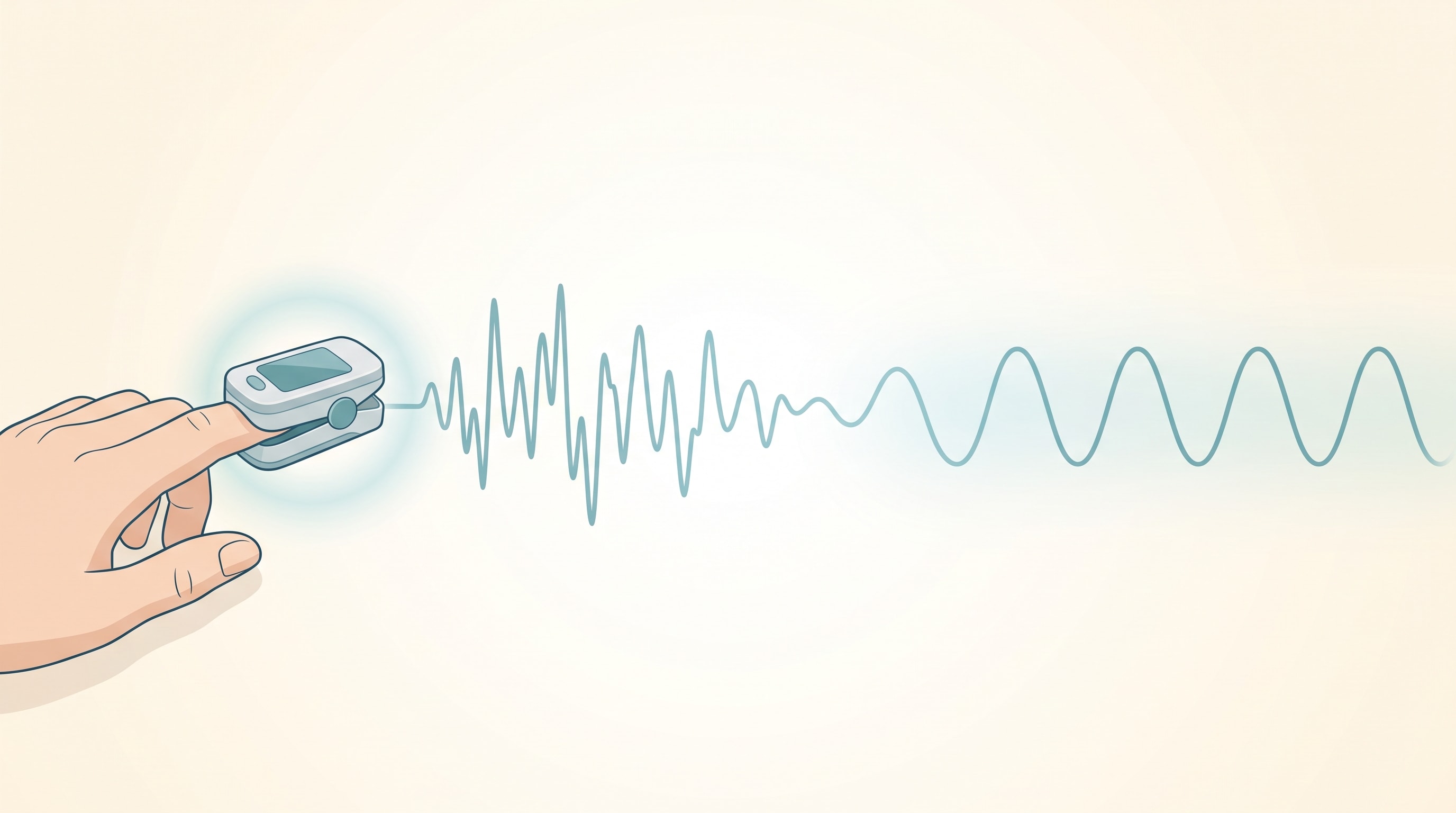
Chronic pain and chronic muscle tension feed each other. Pain makes muscles tense; tense muscles then hurt on their own; the hurting muscles produce more anxiety; anxiety tightens the muscles further. The loop is one of the reasons pain that started somewhere specific — a bad back, a whiplash, a bout of shingles — can end up feeling like the whole body is stiff and sore months later.
Progressive muscle relaxation, or PMR, is a technique for interrupting that loop. It was developed by a Chicago physician named Edmund Jacobson in the 1920s and 30s, and it has held up as one of the most studied and most reliable self-management tools in the pain toolbox. It costs nothing, requires no equipment, and produces real physiologic changes — lower muscle tone, lower heart rate, slower breathing — that patients can feel within a single session.
This is a practical guide to doing it. The idea is simple: you tense a muscle group hard for a few seconds, then release it completely, and pay close attention to the difference between the two. Repeated across the whole body, top to bottom, this teaches the nervous system what "relaxed" actually feels like — and, more importantly, teaches you to notice when muscles are tense so you can release them before they add to your pain.
Why it works for pain
Most people carrying chronic pain don't realize how much muscle bracing they do. The shoulders live near the ears. The jaw stays clenched. The low-back muscles never quite let go, even lying down. This is protective guarding — the body's attempt to shield an injured area — and it is useful in the first days after an acute injury. When it becomes the default state weeks or months later, it stops protecting anything and just adds to the pain load.
PMR does two things. First, it triggers what physiologists call the relaxation response: a drop in sympathetic (fight-or-flight) nervous system activity, with measurable reductions in muscle tone, heart rate, and blood pressure. Second, and just as important, it builds awareness. After a few weeks of daily practice, most patients start noticing tension during the day — the shrugged shoulders during a difficult phone call, the clenched jaw at a stoplight — and can release it in real time. That is where the pain-reduction benefit compounds.
What PMR helps with
-
Chronic pain of muscular or myofascial origin (neck, shoulders, low back).
-
Sleep-onset difficulty, particularly when muscle tension or racing thoughts are the reason you can't fall asleep.
-
Anxiety and stress that ride alongside chronic pain — reducing one usually helps the other.
-
The general daytime fatigue of holding muscles tight all day. Many patients describe having "more gas in the tank" by evening after a few weeks of daily practice.
How to do it
The full sequence takes about fifteen to twenty minutes. Do it once or twice a day. Somewhere quiet, lying down or sitting supported, phone off. Loose clothing helps.
The basic method
For each muscle group, tense it for three to five seconds with a smooth, firm squeeze. Not maximum force — about 70% of what you could produce if you tried hard. Then release completely, all at once, and let the muscle go slack for ten to twenty seconds before moving on. Pay attention during both phases: what the tension feels like, and what the release feels like. That contrast is the whole point.
Breathe normally throughout. Don't hold your breath during the squeeze — that adds tension rather than reducing it.
A few practical rules:
-
Go easy on painful or injured areas. Squeeze only as hard as you comfortably can. If a muscle group hurts to tense, skip the tensing phase for that area and just do the awareness-and-release part.
-
Don't try to force relaxation. The release is passive. Let the muscle drop rather than trying to make it relax. "Trying" is itself a form of tension.
-
Focus is the whole point. If your mind wanders, gently bring it back to the muscle group you're on. You will get better at this with practice.
The sequence
Work through the body top to bottom, or bottom to top — either works, just be consistent. A standard sequence:
-
Right hand and arm: Make a fist. Squeeze. Release. Then bend the wrist up hard. Release. Then push the palm and forearm down against the surface. Release. Then squeeze the hand up to the shoulder to tense the biceps. Release.
-
Left hand and arm: Repeat the same four steps.
-
Shoulders: Shrug both shoulders up toward the ears. Hold. Release and let them drop.
-
Face and jaw: Squeeze the face tight — eyes shut, forehead scrunched, jaw clenched. Release. Then open the mouth and eyes as wide as they'll go. Release.
-
Neck: Press the head gently back into the pillow or chair. Release. Then tuck the chin toward the chest. Release.
-
Chest and upper back: Pull the shoulder blades back and together as if trying to hold a pencil between them. Release.
-
Abdomen and low back: Tighten the abdominal muscles. Release. Then arch the low back slightly — gently, especially if you have back trouble. Release.
-
Hips, thighs, and buttocks: Squeeze the buttocks and thighs together. Release.
-
Right lower leg and foot: Point the toe down (calf tightens). Release. Then flex the foot up toward the head (shin tightens). Release. Then curl the toes. Release.
-
Left lower leg and foot: Repeat.
-
Full-body scan to finish: Starting at the crown of the head and working down, mentally check each area for any remaining tension. Wherever you find it, let it go.
What to expect
The first few sessions can feel awkward, and it's common to notice tension in muscles you didn't know were tight. That noticing is the skill. Within a week of daily practice, most people report falling asleep faster, less end-of-day muscle fatigue, and — depending on the pain condition — some reduction in pain intensity or in how much the pain intrudes on daily life.
A few things sometimes happen that are worth knowing about:
-
Falling asleep during the exercise. Fine, if you were tired. If you want to use PMR without falling asleep, do it sitting up rather than lying down.
-
Feeling briefly dizzy or slightly nauseated at the end. Uncommon, but it happens — it's called parasympathetic rebound and it means the shift from a tense to a relaxed state was fast. Add a short stretch and a minute or two of normal-paced breathing at the end of the session.
-
A flood of intrusive thoughts. Extremely common early on. Don't fight them. Notice each thought, then return attention to the muscle group you're on. Getting better at this takes weeks.
-
Sharp pain in a specific area during tensing. Stop tensing that area. Skip the tensing phase for that muscle group; just do the noticing-and-releasing.
Making it a habit
PMR only works if you actually do it. Once or twice a day, most days, is the target. Morning and bedtime are the most reliable slots — morning to set a lower baseline for the day, bedtime to help with sleep. Many patients pair the technique with a specific cue so it becomes automatic: right after brushing teeth in the morning, or as soon as the head hits the pillow at night.
A recording can help — your own voice or a downloaded audio guide walking you through the sequence. Once you know it, most people prefer doing it in silence. If you want to explore other approaches alongside PMR, see our overview of other techniques worth trying for chronic pain.
When to see a specialist
PMR is a piece of the pain-management puzzle, not the whole picture. If pain has lasted more than three months, is interfering with sleep or daily function, or hasn't responded to what you've tried on your own, a pain specialist can evaluate the underlying problem and combine self-management techniques like PMR with interventional and medical treatments that address the pain source directly.
About Newport Pain Management
Newport Pain Management has provided interventional pain diagnosis and treatment in Newport Beach since 1996. Our medical director, H. Rand Scott, MD, is a board-certified anesthesiologist who completed subspecialty training in pain management and served as an attending physician at the Pain Management Clinic at Penn State Hershey Medical Center before founding Newport Pain Management. He holds privileges at Hoag Hospital and Newport Center for Special Surgery and directs the KetaCure Ketamine Infusion Center.
To request an evaluation, call (949) 759-8400 or visit the contact page.
Medical disclaimer: This post is for general education and is not a substitute for individual medical advice. Always consult your physician about your specific condition and before making any changes to your medications.
Explore Topics
Written by
H. Rand Scott, MD
Medical Director of Newport Pain Management in Newport Beach since 1996. Board-certified anesthesiologist with subspecialty fellowship training in pain management. Former Penn State football player, 1982 national championship team. Sports medicine clinical training on the Penn State football medical staff. Twice named Orange County Medical Association Physician of Excellence.