Six Relaxation Techniques You Can Do Yourself for Chronic Pain
Six evidence-based relaxation techniques you can start today — breathing, progressive muscle relaxation, guided imagery, autogenic training, and more. From a pain specialist.
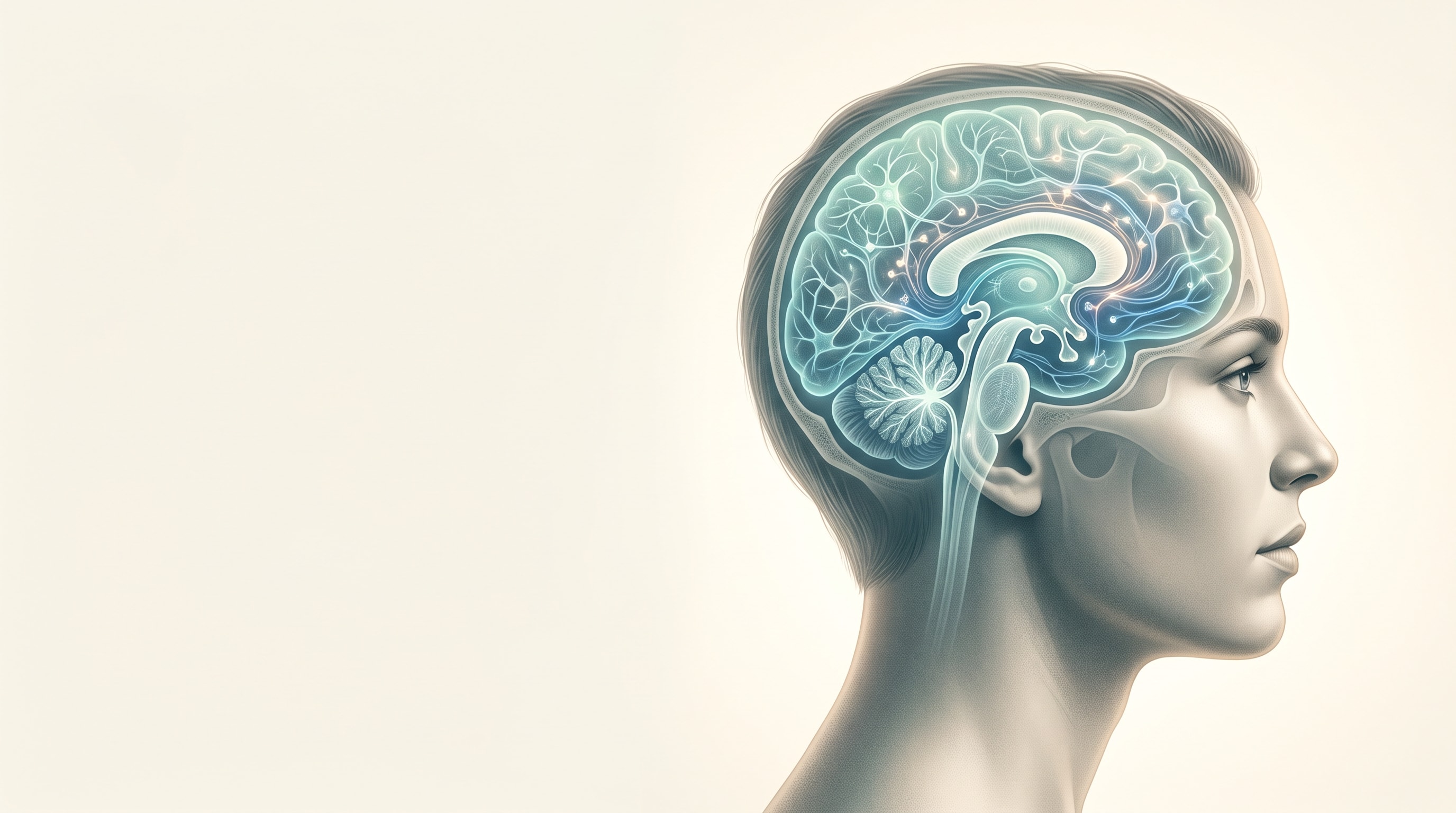
Chronic pain and the stress response are linked at the level of the nervous system. Pain activates the fight-or-flight response; the fight-or-flight response tightens muscles, speeds up breathing, and makes the nervous system more sensitive to the very signals that started the cycle. Anything that reliably downshifts that response is, in effect, a pain treatment.
This article covers six techniques with good evidence behind them, all of which you can do without special equipment, medication, or an appointment. None of them replaces medical care for a pain problem that hasn't been diagnosed. But used alongside the treatments your physician recommends, they add real leverage — and they cost nothing to try.
1. Quiet breathing
The simplest and most portable. It works because slow, deep breathing directly stimulates the vagus nerve, which downshifts the sympathetic nervous system in a matter of seconds.
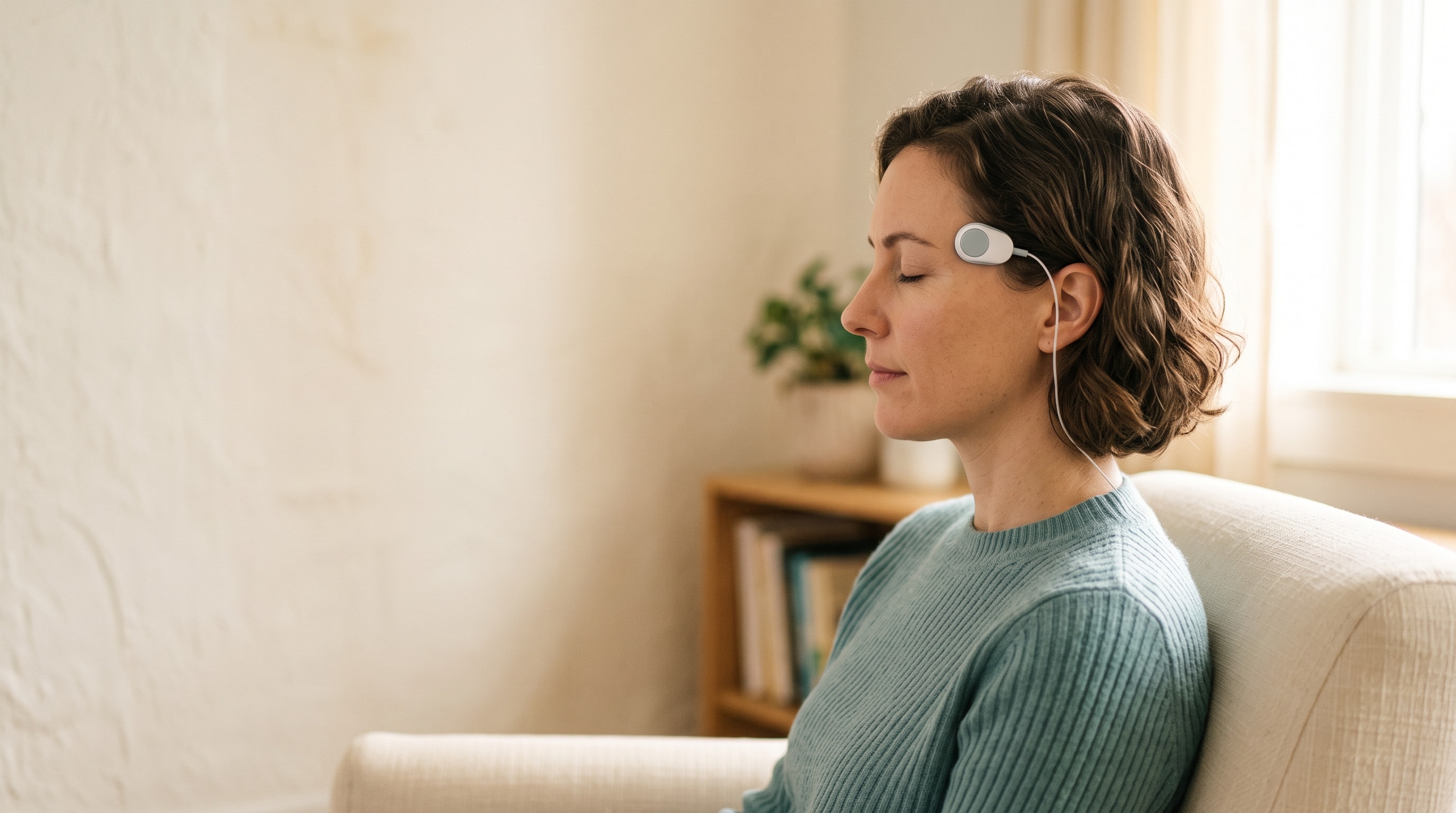
Sit comfortably. Close your eyes if you can. Breathe in slowly through your nose for a count of four, letting your abdomen expand rather than your chest. Hold briefly. Breathe out slowly through pursed lips for a count of six or eight — the exhale being longer than the inhale is the part that matters. As you exhale, picture the tension in your shoulders, jaw, and hands flowing out with the breath. Repeat for two to five minutes.
Use this anywhere: at a stoplight, before a difficult phone call, in the waiting room, in the middle of a pain flare. Two minutes of proper breathing produces a measurable drop in heart rate and blood pressure.
2. Progressive muscle relaxation
The most studied and most reliable of the group. You systematically tense and release each muscle group in the body, paying close attention to the contrast — teaching the nervous system what "relaxed" actually feels like, and building the awareness to notice tension during the day so you can release it before it adds to your pain load.
The full sequence takes about fifteen to twenty minutes and is worth learning properly. See our practical guide to progressive muscle relaxation for the technique in detail.
3. Guided imagery
Get comfortable. Close your eyes. Choose a place — real or imagined — where you feel safe and calm. A beach, a mountain trail, a meadow, a favorite room. Then bring the place to life with all five senses: what you see around you, what you hear, what you smell, what the air feels like on your skin, the taste in your mouth. The more sensory detail, the stronger the effect.
Guided imagery works because vividly imagining a place produces many of the same physiologic changes as being there — slower breathing, lower muscle tone, calmer heart rate. For chronic pain, ten to fifteen minutes once or twice a day is a reasonable dose. It's particularly useful during procedures, at bedtime, or during predictable pain flares (a long car ride, the end of a workday).
If your mind wanders, gently bring it back to the sensory detail of your place. That returning is the practice — not a failure of it.
4. Autogenic training
A German technique from the 1930s, still in wide clinical use. You mentally repeat a series of specific phrases about warmth and heaviness in different parts of the body, and let those sensations become real.
Sit or lie down comfortably, close your eyes, and slowly repeat each phrase three or four times, letting the sensation build:
-
My right arm is heavy and warm.
-
My left arm is heavy and warm.
-
Both my legs are heavy and warm.
-
My heartbeat is calm and steady.
-
My breathing is slow and easy.
-
My abdomen is warm.
-
My forehead is cool. My face is relaxed.
The whole sequence takes about ten minutes. Autogenic training is particularly useful for people who find imagery difficult or who feel awkward with the tensing and releasing of PMR. The phrases give the mind something concrete to hold onto.
5. Thought redirection
Chronic pain and rumination reinforce each other. Turning attention away from pain-focused thoughts — worrying about the pain, cataloguing it, predicting worse to come — measurably reduces the intensity of the pain experience. This is not "positive thinking"; it's the observation, well-documented in pain research, that where attention goes, pain follows.
An older technique, called thought-stopping, had you silently say "stop" when a pain thought intruded, then deliberately think of something pleasant instead. It works for some people. A more modern version, drawn from cognitive behavioral therapy, is to notice the thought without fighting it ("there's the worry about my back again"), then gently return attention to whatever you were doing or to your breath. Fighting the thought tends to strengthen it; noticing and returning weakens its hold.
Either version takes practice. The point is not to never have the thought, but to reduce how much of your attention it captures.
6. Deliberate use of your environment
Warm water, warm compresses, gentle music, dim light, comfortable posture, and pleasant scent are all reliable — if modest — inputs to the parasympathetic nervous system. A hot shower before bed is not just comfortable; it triggers a measurable drop in core body temperature about ninety minutes later that helps sleep onset. A quiet room with soft lighting genuinely lowers muscle tension. These are not placebo effects.
Chronic pain often narrows the sensory environment — patients live with the TV on, the phone pinging, harsh lighting. Deliberately arranging quieter, softer surroundings for at least part of the day is a low-effort intervention with real physiologic effects.
Putting them together
You don't need to do all six. Most patients find one or two that fit their temperament — the analytical type who likes autogenic phrases, the visual type who lives in guided imagery, the physical type who does best with PMR. Pick one, practice it once or twice a day for two weeks, and see what changes.
Combined with the appropriate medical treatment for the underlying pain problem, consistent daily use of one of these techniques adds meaningful leverage. On their own, they do not replace evaluation and diagnosis when pain is new, severe, or changing.
When to see a specialist
Self-management techniques are one piece of the pain-management puzzle, not the whole picture. If pain has lasted more than three months, is interfering with sleep or daily function, or hasn't responded to what you've tried on your own, a pain specialist can evaluate the underlying problem and combine self-management with interventional and medical treatments that address the pain source directly.
About Newport Pain Management
Newport Pain Management has provided interventional pain diagnosis and treatment in Newport Beach since 1996. Our medical director, H. Rand Scott, MD, is a board-certified anesthesiologist who completed subspecialty training in pain management and served as an attending physician at the Pain Management Clinic at Penn State Hershey Medical Center before founding Newport Pain Management. He holds privileges at Hoag Hospital and Newport Center for Special Surgery and directs the KetaCure Ketamine Infusion Center.
To request an evaluation, call (949) 759-8400 or visit the contact page.
Medical disclaimer: This post is for general education and is not a substitute for individual medical advice. Always consult your physician about your specific condition and before making any changes to your medications.
Explore Topics
Written by
H. Rand Scott, MD
Medical Director of Newport Pain Management in Newport Beach since 1996. Board-certified anesthesiologist with subspecialty fellowship training in pain management. Former Penn State football player, 1982 national championship team. Sports medicine clinical training on the Penn State football medical staff. Twice named Orange County Medical Association Physician of Excellence.