Biofeedback for Headaches: How It Works and How to Make It Work
Biofeedback treatment for tension headache and migraine — what happens in the evaluation, what a course involves, and the three habits that determine whether it works.
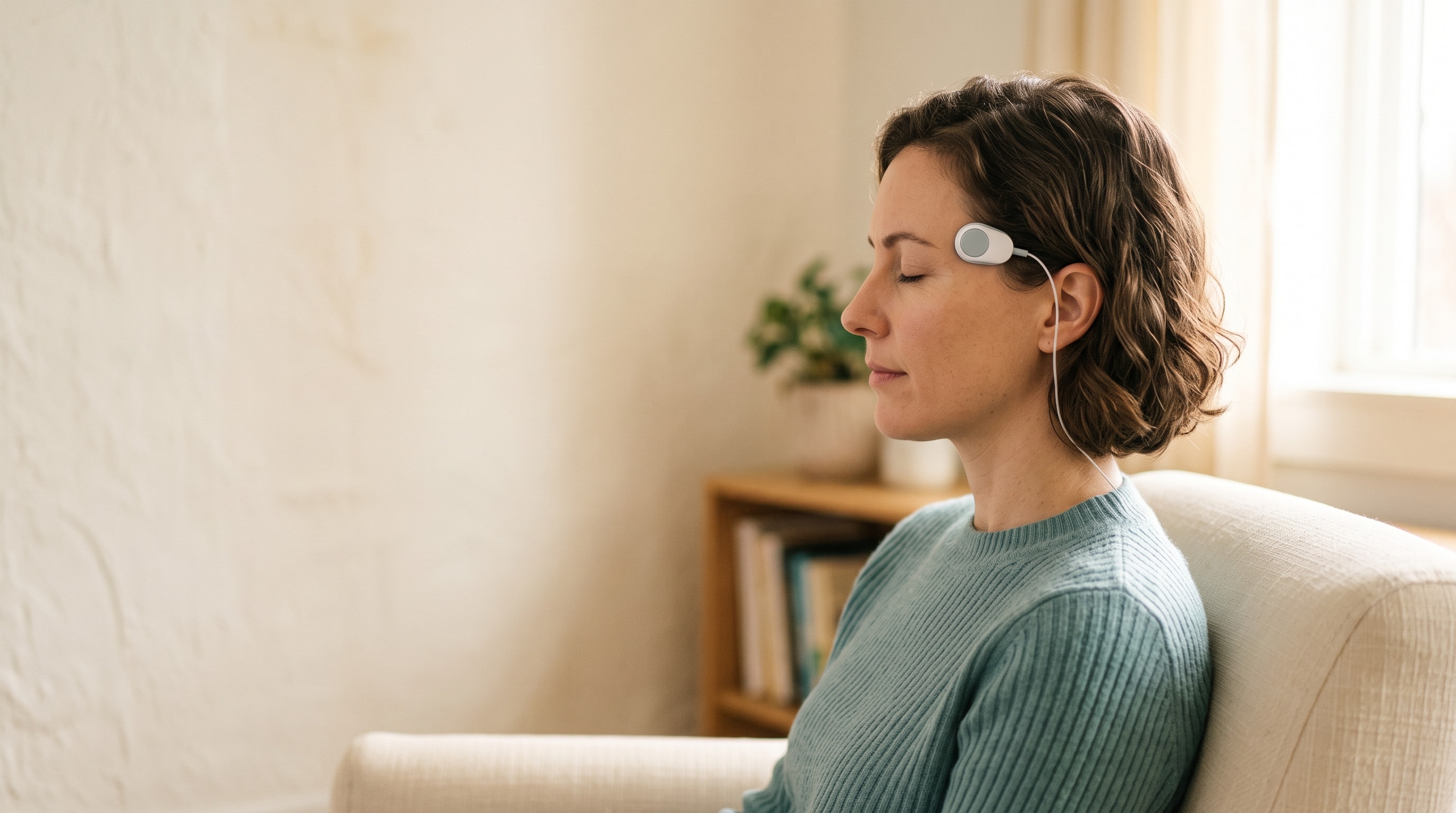
Recurring headaches — whether tension-type, migraine, or a mixed pattern — respond best to a combination of the right medical evaluation and one or more behavioral strategies. Biofeedback is one of the older and better-studied behavioral options, with strong evidence for both tension headache and migraine going back decades. When it works, it works well; when it fails, it usually fails for reasons that are predictable and preventable.
This article covers how biofeedback treatment for headaches actually goes — what happens in the evaluation, what a course of treatment involves, and what patients can do to give the technique its best shot at working. For a general introduction to what biofeedback is and how it works across pain conditions, see our companion article on biofeedback.
The two types of biofeedback used for headaches
Headaches typically have a muscular component, a vascular component, or both. Biofeedback treatment addresses each with a different sensor.
-
Electromyogram (EMG) biofeedback measures the electrical activity of specific muscles — typically the frontalis (forehead), temporalis (temples), and cervical paraspinal muscles (back of the neck). Elevated resting activity in these muscles is a signature of tension-type headache and often present in migraine as well. Skin electrodes only; no needles.
-
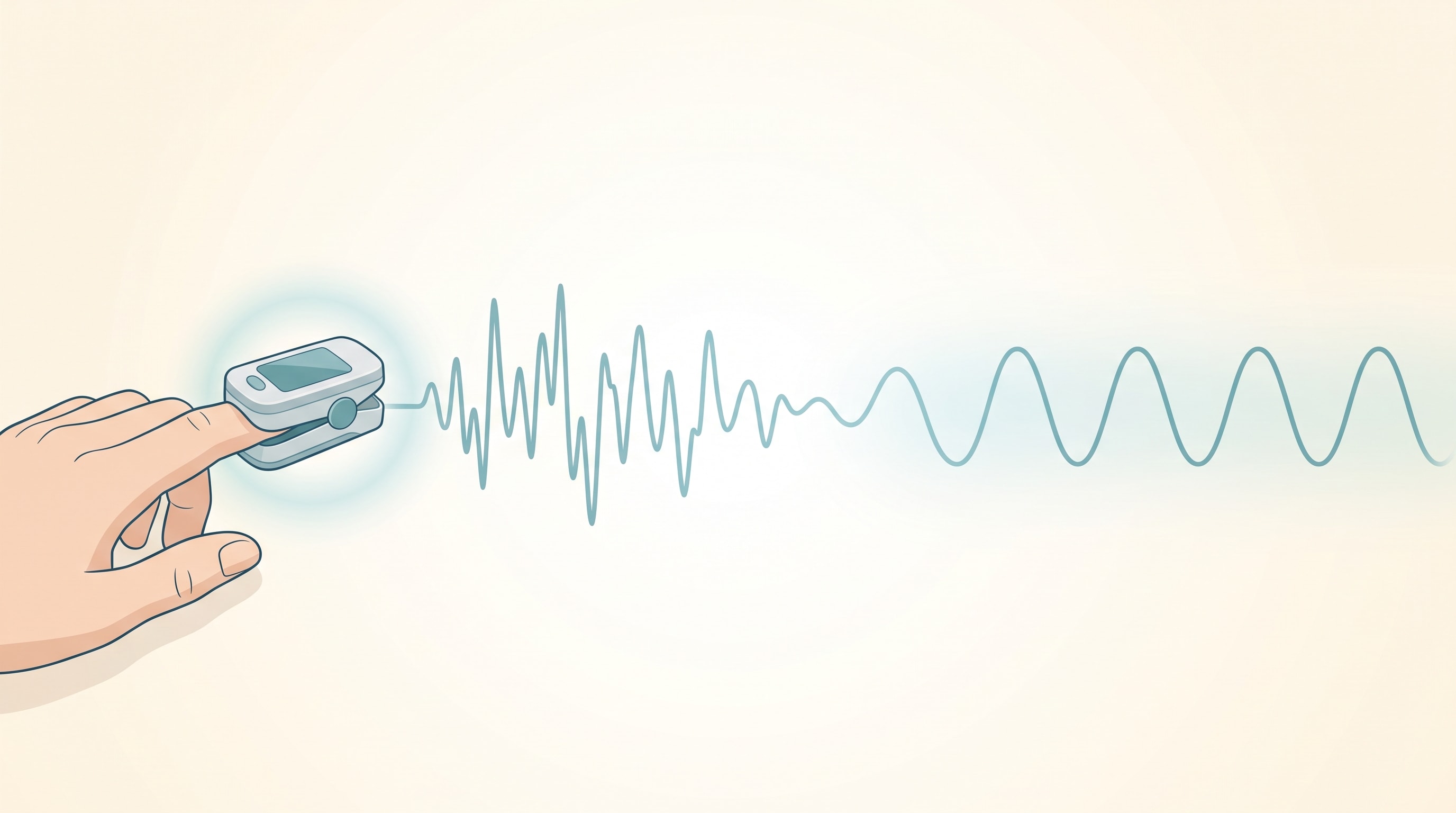
Thermal biofeedback measures skin temperature at the fingertip. Cold fingers reflect sympathetic (fight-or-flight) activation and vasoconstriction — a pattern associated with migraine. Warming the hands reflects a shift into the relaxation response and is the classic biofeedback intervention for migraine prevention.
Many patients need both because their headache pattern has muscular and vascular features. The evaluation determines which is dominant in your case.
What the evaluation looks like
The first appointment is diagnostic. The therapist places sensors and takes measurements during three standardized assessments:
Muscle scan
Quick sampling of muscle activity across various muscle groups while you sit or stand quietly. This reveals your typical pattern of muscle tension — where you carry it and how much. Chronic pain patients often show high resting activity in muscles that should be at rest, especially the shoulders, jaw, and neck. This is called protective guarding or bracing — the body's default response to shielding an injured area, which stops being useful when it becomes permanent. Think of muscles as personal body armor: over time, the armor conforms to how you've been using it.
Stress profile
Baseline measurements, then a stressor (mental arithmetic, recalling a stressful event, imagining a bad headache), then recovery. The therapist records how your muscle tension and skin temperature change under stress and how quickly they return to baseline afterward. This determines how much emotional stress is contributing to your headache pattern — and, just as important, how well your nervous system recovers from it. Poor recovery is often the more telling finding.
Postural evaluation
EMG sensors monitor muscle activity while you move — raising your shoulders, turning your head, sitting, standing, mimicking the postures of your daily work. The therapist watches for how muscle groups interact and where they compensate. Forward head posture is the classic finding in chronic headache patients: the head sits ahead of the shoulders instead of over them, which forces the neck and upper back muscles to work continuously to hold it up. Even a small forward shift substantially multiplies the muscular load — which is why so many headaches originate in tight cervical muscles that never got a chance to rest.
What treatment involves
A course of biofeedback for headaches is typically eight to twelve weekly sessions, sometimes more. Each session works on one or more of the following:
Learning to lower tension in the target muscles
With real-time visual or auditory feedback from an EMG sensor, patients experiment with what raises or lowers muscle activity — a change in breathing, a shift in shoulder position, a specific mental image, a release of jaw clench. The signal shows immediately what works, so learning is fast.
Warming the hands (for vascular headaches)
Watching the temperature reading on a thermometer, patients learn techniques — usually a combination of slow breathing, imagery of warmth, and passive attention — that reliably warm the fingertips. Sustained warming reflects a shift out of sympathetic activation and, for migraine-prone patients, appears to reduce attack frequency over time.
Stretching
Muscles held tight for a long time shorten and stiffen. Imagine your head balanced on top of a stack of muscles connected by rubber bands. If one rubber band shortens, the balance shifts — other muscles have to compensate, and the whole structure gets pulled out of position. Restoring normal muscle length through targeted stretching is often part of the treatment plan, especially for the pectoralis, upper trapezius, and suboccipital muscles.
Postural retraining
Using EMG feedback during common daily movements — reading, typing, driving, being on the phone — patients learn to modify their posture so different muscle groups aren't overloaded. This is where the office training starts to translate into pain relief in daily life.
Generalization
The last stage — and the one that determines whether the benefits last — is doing the technique without the instrument. Therapists often assign cued practice: every time the phone rings, do a two-minute relaxation; every time you see the color red, check your shoulder tension. This builds the skill into automatic daily use.
A two-minute portable practice
This is the kind of brief practice most biofeedback therapists teach patients to use throughout the day, especially at the first sign of a headache building. Do it anywhere — at your desk, at a stoplight, in a meeting where no one is watching.
1. Interrupt whatever you're thinking. Take a slow deep breath in and let it out slowly.
2. Scan your body for tension. Notice your shoulders — are they up near your ears? Your forehead — is it furrowed? Your jaw — is it clenched? Wherever you find tension, let it go.
3. Roll your head slowly in a small circle once in each direction. Then roll your shoulders forward and backward a few times.
4. Bring to mind a pleasant memory or place — brief but vivid. A beach, a hike, a favorite room. Imagine warmth flowing into your hands.
5. One more slow breath in and out. Return to what you were doing.
Two minutes. Done often enough, this short practice does much of the work of a full session.
Getting the most from biofeedback
Three habits separate patients who get lasting relief from biofeedback from patients who go through the sessions and don't see much change. All three take some effort. All three are within your control.
Keep records
Track your headaches. When one becomes severe, jot down what you were doing, what you were thinking about, what you were feeling, what physical sensations preceded the pain, and what — if anything — helped it. Weather, sleep quantity and quality, food, and menstrual cycle are all worth logging. Patterns that are invisible in the moment become obvious in the log. Bring the records to your appointments — they are the single most useful thing you can hand your therapist.
Practice
Any new skill requires practice. Twice a day, most days, for the technique to stick. Some patients pair practice with specific times (morning and bedtime). Others cue it to their headache triggers — the moments most likely to build into pain. Cued practice is especially useful for tension headache; consistent practice at reliable times of day is especially useful for migraine prevention. If a severe headache is already established (especially a migraine), don't try to practice through it — relax and wait it out. Practice is prevention, not rescue.
Pace yourself
A common pattern in chronic pain: when the pain lifts, patients feel great and dramatically increase their activity — catching up on chores, working long hours, socializing, exercising hard. A few days later, exhaustion sets in and the pain returns. The roller coaster of overactivity and crash is one of the most reliable ways to undo progress. Spread active tasks across days rather than piling them into good days. Build in downtime deliberately. This applies during biofeedback treatment and afterward.
Where it fits
Biofeedback works best for tension-type headaches, migraine (particularly prevention), and mixed headache patterns with clear stress or postural components. It works less well for headaches driven primarily by structural problems (severe cervical spine disease, a mass lesion) or by a specific medical condition that hasn't been addressed. New, sudden, severe, or worsening headaches always warrant medical evaluation before starting behavioral treatment.
Insurance coverage varies. Biofeedback for headache is one of the diagnoses most likely to be covered, particularly by plans that recognize CPT codes 90875 and 90876. Verify coverage before starting a course.
When to see a specialist
Biofeedback is one tool in a comprehensive headache-management plan, not a substitute for one. If headaches have been present for more than three months, are interfering with work or sleep, are changing in character, or haven't responded to what you've tried on your own, a pain specialist can evaluate the underlying pattern and determine which combination of treatments — including behavioral techniques like biofeedback — is likely to help most.
About Newport Pain Management
Newport Pain Management has provided interventional pain diagnosis and treatment in Newport Beach since 1996. Our medical director, H. Rand Scott, MD, is a board-certified anesthesiologist who completed subspecialty training in pain management and served as an attending physician at the Pain Management Clinic at Penn State Hershey Medical Center before founding Newport Pain Management. He holds privileges at Hoag Hospital and Newport Center for Special Surgery and directs the KetaCure Ketamine Infusion Center.
To request an evaluation, call (949) 759-8400 or visit the contact page.
Medical disclaimer: This post is for general education and is not a substitute for individual medical advice. Always consult your physician about your specific condition and before making any changes to your medications.
Explore Topics
Written by
H. Rand Scott, MD
Medical Director of Newport Pain Management in Newport Beach since 1996. Board-certified anesthesiologist with subspecialty fellowship training in pain management. Former Penn State football player, 1982 national championship team. Sports medicine clinical training on the Penn State football medical staff. Twice named Orange County Medical Association Physician of Excellence.