Antiseizure and Antiarrhythmic Medications for Neuropathic Pain
Gabapentin, pregabalin, carbamazepine, mexiletine — medications developed for seizures and heart rhythm now central to nerve pain treatment. How they work and what to expect.
Antiseizure and Antiarrhythmic Medications for Neuropathic Pain
By H. Rand Scott, MD — Medical Director, Newport Pain Management Reviewed and updated August 2026
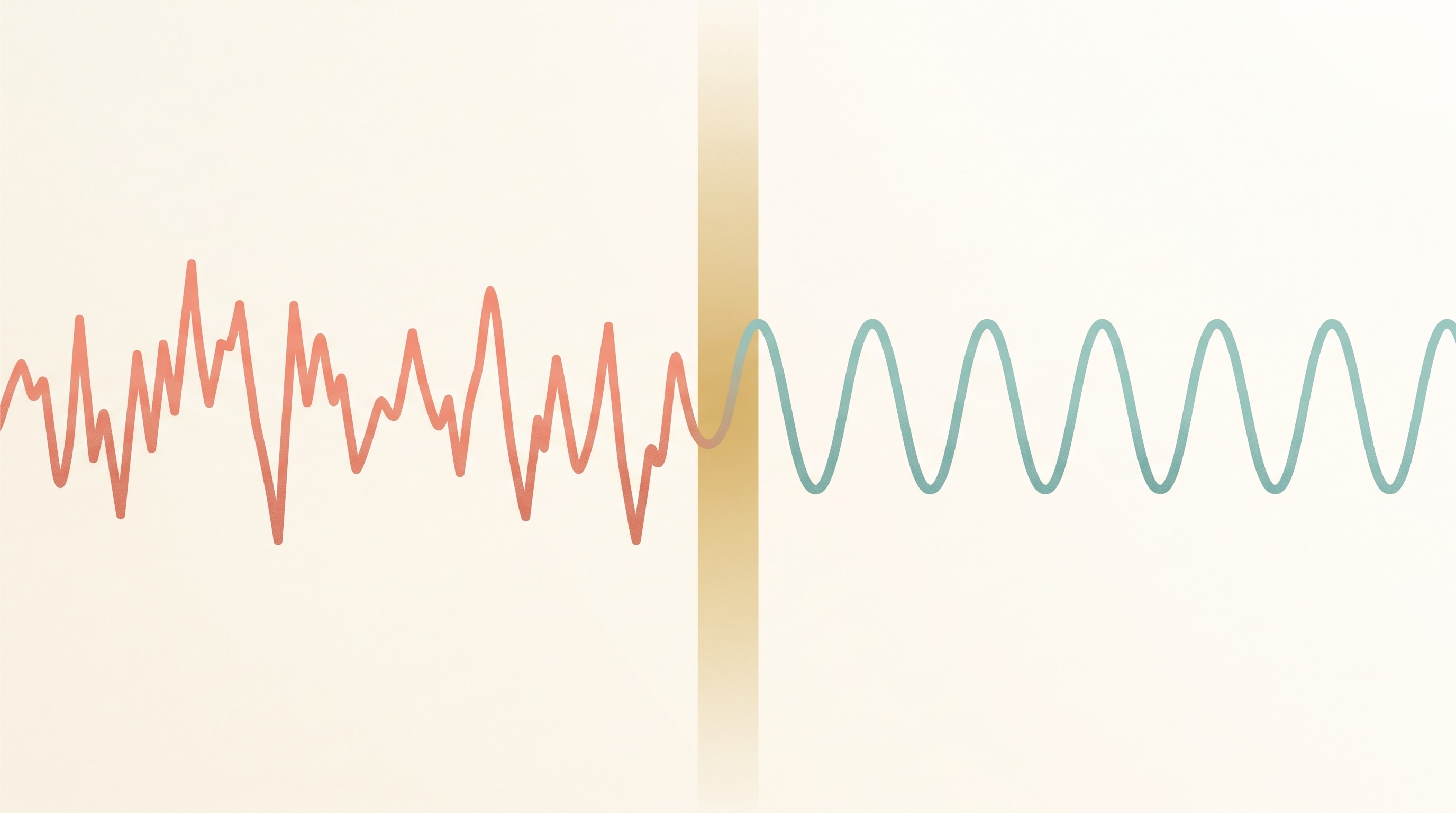
Two classes of medications originally developed for other conditions have become central to the treatment of nerve pain (neuropathic pain): antiseizure medications and antiarrhythmic medications. Both work as "membrane stabilizers" — they quiet abnormal electrical firing in nerves, whether that firing is causing seizures, heart rhythm problems, or the abnormal pain signals of damaged nerves.
This article covers the medications in these classes most commonly used for pain — gabapentin, pregabalin, carbamazepine, oxcarbazepine, valproate, and mexiletine — how they work, how they're taken, side effects to know about, and important interactions.
How do these medications work?
When a nerve is damaged — by trauma, diabetes, shingles, chemotherapy, or many other causes — it can begin generating abnormal electrical discharges. These abnormal signals are perceived as burning, shooting, electric-shock, or lancinating pain. Antiseizure and antiarrhythmic medications reduce this abnormal nerve firing by acting on the sodium and calcium channels that generate the electrical signals in the first place.
The result: quieter nerves, and — for many patients — significant reduction in neuropathic pain.
The antiseizure (anticonvulsant) medications
Gabapentin and pregabalin — the gabapentinoids
Gabapentin (Neurontin) and pregabalin (Lyrica) are the most commonly used medications in this class for pain. They act on specific calcium channels (the α2δ subunit) in overactive nerves. Both are FDA-approved for several neuropathic pain conditions:
- Gabapentin — approved for postherpetic neuralgia (shingles pain). Widely used off-label for many other neuropathic pain conditions.
- Pregabalin — approved for postherpetic neuralgia, diabetic peripheral neuropathy, fibromyalgia, and neuropathic pain from spinal cord injury.
Practical points:
- Both are started at a low dose and titrated upward over days to weeks. Gabapentin often needs a minimum of three doses a day (900 mg or higher) before pain benefit is noticeable; pregabalin has a somewhat more predictable dose-response.
- The most common side effects are drowsiness, dizziness, blurred vision, unsteadiness, ankle swelling, and weight gain. These often improve with time but limit dose escalation in some patients.
- Both should be tapered off gradually rather than stopped abruptly — sudden discontinuation can cause anxiety, insomnia, and rebound symptoms.
- Both have some misuse potential (particularly pregabalin, which is a scheduled substance) and should be prescribed with awareness of that.
- Dose adjustment is required in patients with reduced kidney function.
Carbamazepine and oxcarbazepine
Carbamazepine (Tegretol) is the first-line medication for trigeminal neuralgia (severe facial nerve pain) and is used for other neuropathic pain conditions. Oxcarbazepine (Trileptal) is a related medication with a somewhat cleaner side effect profile that's often used instead. Considerations:
- Started low and titrated gradually.
- Requires blood tests to monitor for low blood counts and liver effects.
- Requires blood tests to monitor sodium levels — both drugs can cause hyponatremia (low sodium).
- Carbamazepine can cause a rare but severe skin reaction (Stevens-Johnson syndrome); genetic testing (HLA-B*1502) is recommended in patients of Asian ancestry before starting.
- Both interact with a large number of medications, including hormonal contraceptives (which they may make less effective).
- Both can increase skin sensitivity to sunlight — use sunscreen.
Valproate (divalproex, Depakote)
Valproate has a role in migraine prevention and some neuropathic pain conditions. Requires monitoring of liver function and blood counts. Not appropriate in pregnancy (significant risk of birth defects). Can cause weight gain and tremor.
Other antiseizure medications sometimes used
Topiramate (Topamax), lamotrigine (Lamictal), and others are used for specific conditions including migraine prevention and some refractory neuropathic pain conditions. Each has its own side effect profile and appropriate role.
The antiarrhythmic medications
Intravenous lidocaine infusion
Lidocaine is best known as a local anesthetic — the medication dentists inject before dental work. Given as a controlled intravenous infusion in a monitored setting, it can produce significant pain relief in refractory neuropathic pain. Many pain specialists use a lidocaine infusion as a diagnostic test: if the infusion relieves the pain, the patient is likely to respond to the oral antiarrhythmic mexiletine, which acts by a similar mechanism.
Mexiletine (Mexitil)
Mexiletine is an oral antiarrhythmic that behaves like an oral form of lidocaine. It can be useful for refractory neuropathic pain — burning, shooting, or electric-quality pain that hasn't responded to other treatments. Considerations:
- Started at low doses and titrated upward slowly to a typical maximum of about 1,200 mg per day divided into two or three doses.
- Take with food to reduce stomach upset.
- Requires periodic ECG monitoring and, in some patients, blood level checks.
- Not appropriate for patients with certain cardiac conditions.
- Common side effects: nausea, tremor, dizziness, and unsteadiness.
Common side effects across the class
Drowsiness, dizziness, and reduced alertness are common when starting or increasing doses of any of these medications. These usually improve as the body adjusts. Before driving, operating machinery, or doing anything that requires sharp mental focus, be sure you know how your particular medication is affecting you.
Any of these medications can significantly worsen the sedation caused by other medications — opioids, muscle relaxants, sleep aids, antihistamines, and alcohol all add to the effect.
What to remember
- Take these medications only as directed.
- Don't share them with others or take them from others.
- Tell every physician and pharmacist you work with that you're taking a medication in this class — they interact with many drugs, including hormonal contraceptives, warfarin, and other blood thinners.
- Don't stop these medications abruptly. Most of them require a gradual taper.
- Expect periodic blood work if you're on these long-term — some require blood level checks, kidney monitoring, liver monitoring, or blood count monitoring.
- Report new or worsening symptoms — persistent sore throat, easy bruising, yellow eyes or skin, unusual tiredness, changes in heart rhythm, or shortness of breath — to your physician promptly.
It takes an experienced pain specialist to know when these medications are appropriate, which one to choose, and how to escalate or combine them safely. Newport Pain Management has been prescribing this class of medications for neuropathic pain since 1996. Call (949) 759-8400.
This article is for general education and is not a substitute for individual medical advice.
Medical disclaimer: This post is for general education and is not a substitute for individual medical advice. Always consult your physician about your specific condition and before making any changes to your medications.
Explore Topics
Written by
H. Rand Scott, MD
Medical Director of Newport Pain Management in Newport Beach since 1996. Board-certified anesthesiologist with subspecialty fellowship training in pain management. Former Penn State football player, 1982 national championship team. Sports medicine clinical training on the Penn State football medical staff. Twice named Orange County Medical Association Physician of Excellence.