Antidepressants for Pain Control: How and Why They Work
Certain antidepressants relieve pain directly — through the same neurotransmitters the body uses to dampen pain signals. Which drugs, which conditions, and what to expect.
Antidepressants for Pain Control: How and Why They Work
By H. Rand Scott, MD — Medical Director, Newport Pain Management Reviewed and updated August 2026
Certain antidepressants have direct pain-relieving effects that are independent of their effects on mood. This isn't the doctor implying the pain is in your head. These medications work on the same neurotransmitters — serotonin and norepinephrine — that the body uses to dampen pain signals in the spinal cord.
This article covers which antidepressants are used for pain, which pain conditions they help, how they work, how they're taken, and what to expect.
How antidepressants relieve pain
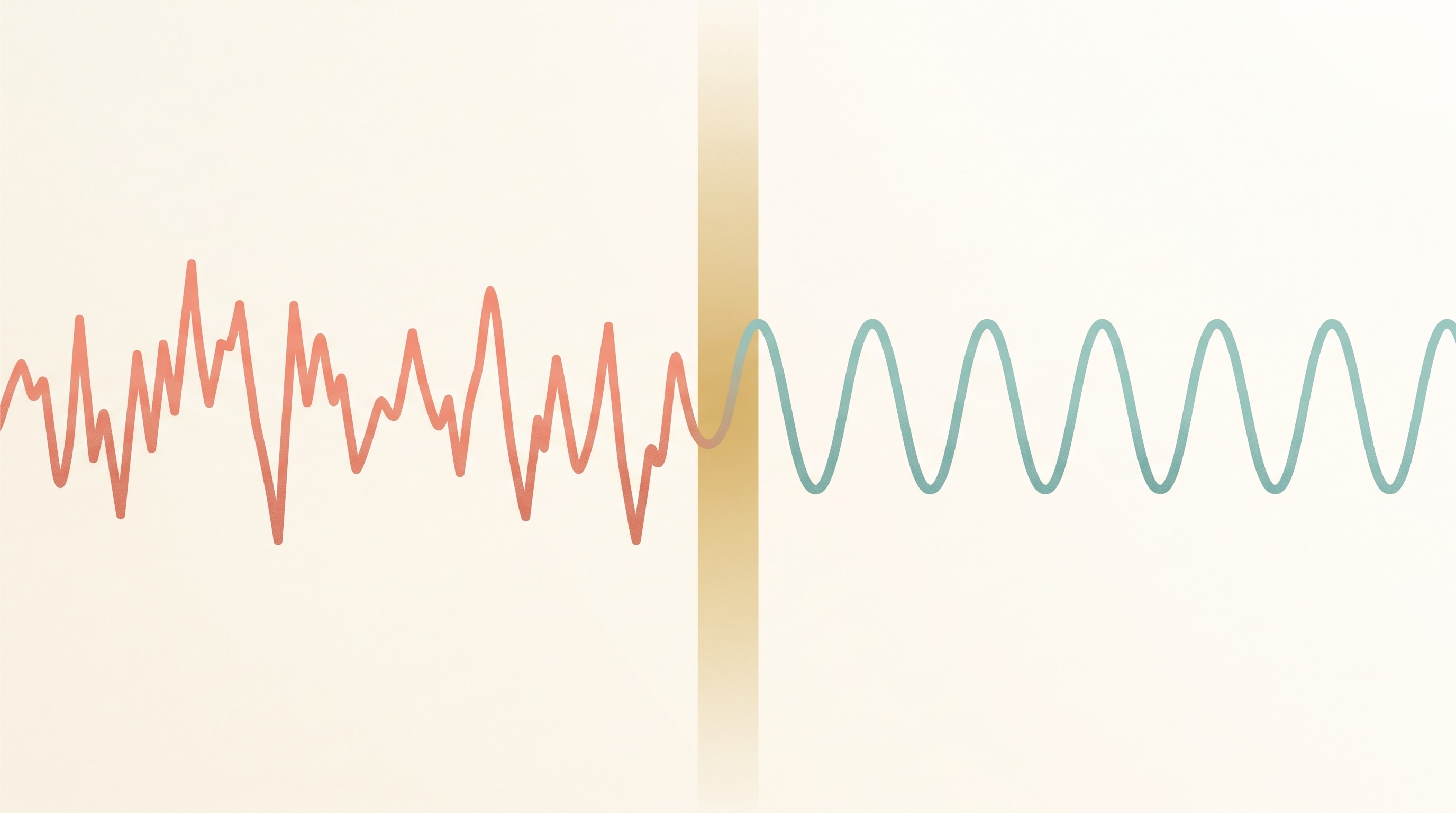
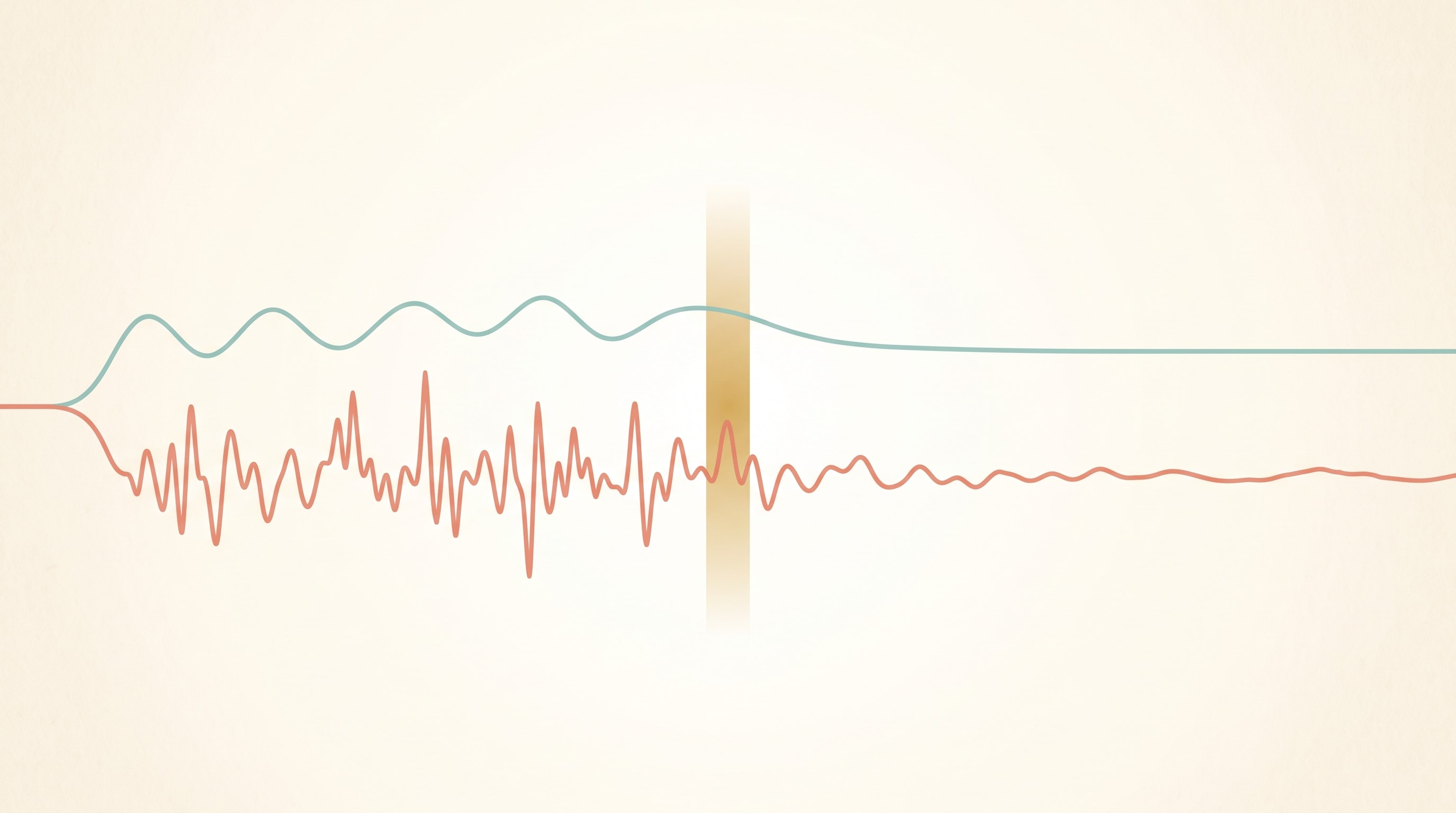
The body's own pain-inhibition system originates in the brainstem — the primitive part of the brain — and sends nerve fibers down the spinal cord. Those descending fibers release two neurotransmitters, serotonin and norepinephrine, that block pain signals originating in the spinal cord before those signals reach the brain.
Certain antidepressants amplify this natural pain-blocking system. After nerve endings release serotonin and norepinephrine, the same nerves reabsorb them (a process called reuptake). Antidepressants that block reuptake keep more serotonin and norepinephrine active in the spaces between nerve cells, which strengthens the descending pain inhibition and reduces pain perception.
This mechanism is different from treating depression. It's why pain-effective doses are often lower than depression-effective doses, and why the pain benefit doesn't require treating depression at all. Many patients with normal mood get significant pain relief from these medications.
Tricyclic antidepressants
The tricyclic antidepressants (TCAs) were the first antidepressants shown to have pain-relieving effects independent of their antidepressant properties. They remain valuable for many neuropathic and chronic pain conditions.
Commonly used tricyclics for pain:
- Amitriptyline (Elavil) — the most extensively studied tricyclic for pain. Very effective for many patients but can be sedating.
- Nortriptyline (Pamelor) — often better tolerated than amitriptyline; similar pain-relieving effect.
- Desipramine (Norpramin) — generally less sedating than amitriptyline or nortriptyline.
- Imipramine (Tofranil) — less commonly used first-line but effective for specific conditions.
TCAs work well for:
- Neuropathic pain — diabetic neuropathy, postherpetic neuralgia, other nerve pain conditions.
- Chronic headache — both migraine prevention and chronic tension-type headache.
- Fibromyalgia — often at low bedtime doses to improve sleep along with the pain benefit.
- Chronic musculoskeletal pain in some patients.
Common side effects include drowsiness, dry mouth, constipation, weight gain, and blurred vision. Because most of these effects lessen with time and can be helpful at bedtime, TCAs are usually taken as a single dose at night. Older adults tolerate TCAs less well and are more susceptible to sedation, falls, and confusion — nortriptyline and desipramine are the safer choices in this population.
TCAs can affect heart rhythm; an ECG is usually appropriate before starting and periodically thereafter in patients with any cardiac history.
Serotonin-norepinephrine reuptake inhibitors (SNRIs)
SNRIs work similarly to TCAs but with fewer of the older-generation side effects. They have become first-line antidepressants for several pain conditions.
- Duloxetine (Cymbalta) — FDA-approved for diabetic neuropathic pain, fibromyalgia, and chronic musculoskeletal pain including osteoarthritis and chronic low back pain, in addition to its depression and anxiety indications.
- Venlafaxine (Effexor) — used off-label for several neuropathic pain conditions, including diabetic neuropathy and chronic musculoskeletal pain.
- Milnacipran (Savella) — FDA-approved specifically for fibromyalgia.
Common side effects include nausea (often improves within a few weeks), dry mouth, sweating, drowsiness or insomnia depending on the individual, and reduced sexual function. Blood pressure can rise on venlafaxine at higher doses.
SNRIs should not be stopped abruptly — discontinuation can produce a distinctive withdrawal syndrome with dizziness, brain-fog sensations (often described as "brain zaps"), and flu-like symptoms. A gradual taper prevents this.
Selective serotonin reuptake inhibitors (SSRIs)
SSRIs (fluoxetine, sertraline, paroxetine, escitalopram, others) are widely used for depression and anxiety. Their evidence base for pain treatment is much weaker than that of TCAs or SNRIs — they act on serotonin but not on norepinephrine, and both neurotransmitters appear to be important for pain modulation. SSRIs can be useful for patients whose pain is intertwined with depression or anxiety, but they are not typically first-line for a pain problem itself.
Bupropion (Wellbutrin)
Bupropion works on dopamine and norepinephrine rather than serotonin. It is not commonly used for pain and should generally be avoided in patients with prominent tremor (it can worsen tremor) or seizure risk.
Which antidepressant for which pain?
- Diabetic neuropathy — duloxetine or a TCA are both reasonable first-line antidepressant choices.
- Postherpetic neuralgia — TCAs (nortriptyline or desipramine to minimize side effects) are well-established; gabapentinoids are also first-line.
- Fibromyalgia — duloxetine, milnacipran, or a low-dose bedtime tricyclic (amitriptyline, cyclobenzaprine).
- Chronic low back pain — duloxetine has FDA approval for this specific indication.
- Migraine prevention — amitriptyline is the tricyclic with the strongest evidence base.
- Chronic tension-type headache — amitriptyline or nortriptyline.
What to expect
- Doses used for pain are often lower than doses used for depression. A dose that would be subtherapeutic for depression may be exactly right for pain.
- Pain benefit typically takes 2 to 6 weeks to develop, even at the right dose. If the medication seems to do nothing in the first two weeks, that isn't yet a failure — it's expected.
- Side effects generally decline over the first few weeks as the body adjusts.
- These medications should not be stopped abruptly. Most require a gradual taper to avoid discontinuation symptoms.
- Tell every physician you work with that you're on an antidepressant — several dangerous drug interactions exist, including with certain migraine medications (triptans), some opioids (particularly tramadol and meperidine), and MAO inhibitors.
- Watch for and report new or worsening mood symptoms, especially in the first few weeks.
The right antidepressant for a specific pain problem depends on the underlying diagnosis, other medications, other health conditions, and prior response. This is a decision worth making with a physician experienced in pain management. Call Newport Pain Management at (949) 759-8400 for an evaluation.
This article is for general education and is not a substitute for individual medical advice.
Medical disclaimer: This post is for general education and is not a substitute for individual medical advice. Always consult your physician about your specific condition and before making any changes to your medications.
Explore Topics
Written by
H. Rand Scott, MD
Medical Director of Newport Pain Management in Newport Beach since 1996. Board-certified anesthesiologist with subspecialty fellowship training in pain management. Former Penn State football player, 1982 national championship team. Sports medicine clinical training on the Penn State football medical staff. Twice named Orange County Medical Association Physician of Excellence.